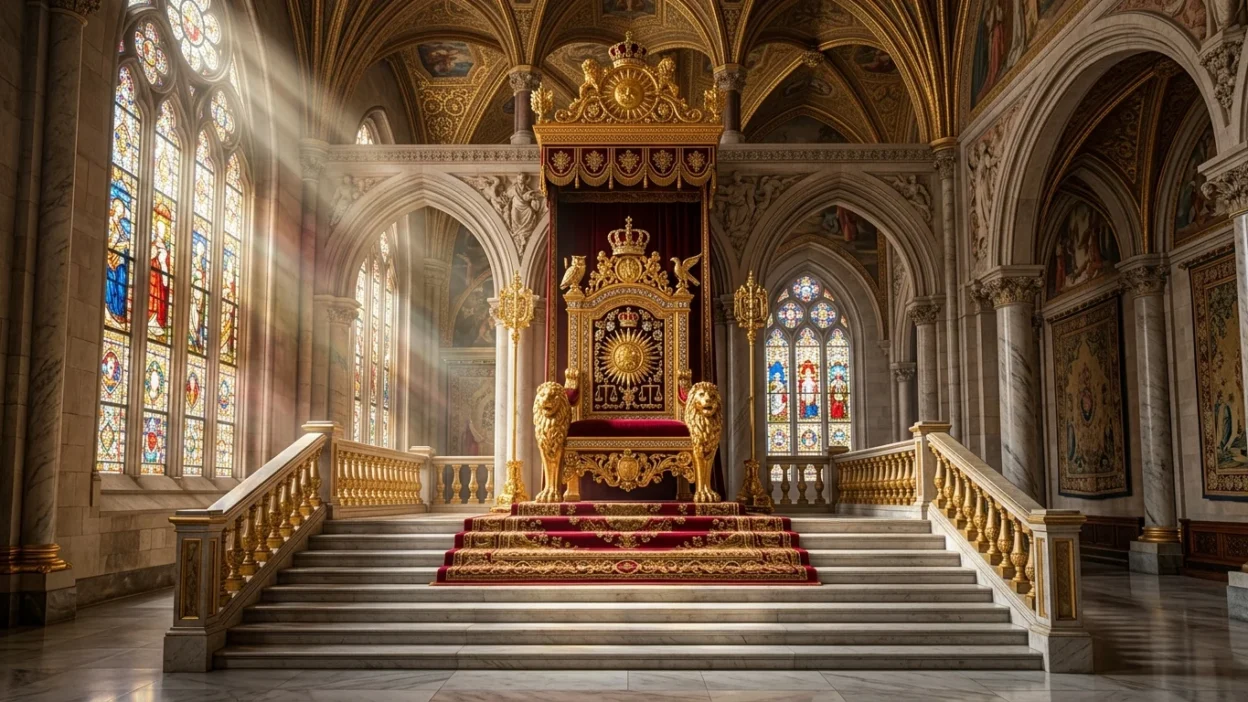
Throne symbolism has fascinated civilizations for thousands of years because it represents far more than a magnificent seat reserved for kings and queens. Throughout history, religion, mythology, literature, and modern culture, a throne has symbolized authority, leadership, justice, wisdom, honor, and responsibility. It serves as a reminder that true power is not simply about ruling others but about guiding them with fairness, integrity, and compassion. Whether seen in an ancient palace, a sacred vision, a famous painting, or a meaningful dream, the throne carries a timeless message about influence and purpose.
The meaning of throne symbolism goes beyond royalty and political power. It reflects the position a person earns through courage, wisdom, and moral character. In many spiritual traditions, the throne represents divine authority and heavenly judgment, while in psychology it can symbolize confidence, self-control, and the ability to make wise decisions. Literature often portrays the throne as both a reward and a burden, reminding readers that leadership always comes with responsibility. Even today, people speak of “taking the throne” as a metaphor for reaching the highest level of success in business, sports, or personal achievements. Understanding throne symbolism helps us appreciate why this remarkable symbol continues to inspire respect, ambition, and reflection across generations. Whether viewed through history, faith, dreams, or modern life, the throne teaches that genuine greatness comes not from power alone but from the wisdom and integrity used to lead others.
Throne Symbolism Meaning (Clear Definition)
Throne symbolism refers to the deeper symbolic meaning of a throne as a representation of leadership, authority, justice, honor, wisdom, and responsibility. While a throne is traditionally associated with monarchs and rulers, its symbolism reaches far beyond royal courts.
A throne commonly symbolizes:
- Leadership and influence
- Justice and fairness
- Wisdom and experience
- Honor and dignity
- Stability and security
- Divine authority
- Responsibility toward others
Rather than representing privilege alone, a throne reminds us that the greatest leaders earn respect through their actions, decisions, and commitment to serving others.
Quick Symbolism Overview
| Symbol | Meaning |
|---|---|
| Authority | Leadership and influence |
| Justice | Fairness and righteous judgment |
| Wisdom | Sound decisions and experience |
| Honor | Respect and noble character |
| Responsibility | Duty to guide others |
| Stability | Security and lasting leadership |
| Divine Authority | Sacred power and sovereignty |
What Does Throne Symbolism Represent?
At its heart, throne symbolism represents the balance between power and responsibility. Throughout history, sitting upon a throne signified that someone had the authority to lead, settle disputes, protect their people, and preserve justice.
Some of the most common symbolic meanings include:
- Leadership – Guiding others toward a common purpose.
- Authority – Legitimate influence and decision-making power.
- Justice – Ruling with fairness and honesty.
- Wisdom – Using knowledge and experience wisely.
- Honor – Earning respect through integrity.
- Responsibility – Accepting accountability for those under one’s care.
- Legacy – Leaving behind positive contributions that endure over time.
These meanings explain why the throne has remained one of the world’s strongest symbols of leadership and governance.
Spiritual Meaning of Throne Symbolism
Spiritually, throne symbolism represents divine wisdom, higher consciousness, inner strength, and sacred authority. Many belief systems describe the throne as a holy place where truth, justice, and spiritual guidance originate.
Spiritually, a throne may symbolize:
- Divine presence
- Enlightenment
- Spiritual leadership
- Inner peace
- Personal transformation
- Higher purpose
- Faithfulness and integrity
On a personal level, the throne reminds us to become leaders of our own lives by mastering our emotions, making wise choices, and living according to our values. Instead of seeking control over others, spiritual growth encourages us to cultivate humility, compassion, and wisdom.
Many spiritual teachers also view the throne as a symbol of self-mastery, representing a person who rules their mind and heart rather than allowing fear or pride to take control.
Biblical / Religious Meaning of Throne Symbolism
In the Bible, throne symbolism is closely connected with God’s eternal authority, justice, holiness, and sovereignty. The throne is frequently described as the seat of divine rule, representing perfect righteousness and wisdom.
Biblical symbolism includes:
- God’s heavenly throne represents supreme authority.
- The throne symbolizes justice, holiness, and righteousness.
- David’s throne reflects God’s everlasting covenant.
- Christ seated upon the throne signifies eternal kingship.
- The heavenly throne room symbolizes worship, glory, and divine judgment.
Rather than emphasizing earthly status, biblical teachings remind believers that true authority comes from God and should always be exercised with humility, mercy, and truth.
Many other religious traditions similarly associate the throne with sacred leadership, divine wisdom, and spiritual responsibility.
Throne Symbolism in History and Culture
Throughout history, the throne has served as one of humanity’s most recognizable symbols of royalty and legitimate authority.
Ancient Egyptians, Romans, Chinese emperors, Persian kings, and European monarchs all designed magnificent thrones decorated with gold, ivory, jewels, and intricate carvings. These impressive seats demonstrated not only wealth but also the ruler’s duty to govern wisely and protect the people.
Across cultures, thrones symbolize:
- Royal leadership
- Political authority
- Justice and law
- National unity
- Sacred ceremonies
- Cultural heritage
- Prestige and honor
Even in modern constitutional monarchies, ceremonial thrones continue to symbolize continuity, stability, and national identity.
Throne Symbolism in Literature and Art
Writers and artists have long used throne symbolism to explore themes of leadership, ambition, morality, and sacrifice.
In literature, the throne often represents:
- The burden of responsibility
- Justice versus corruption
- Noble leadership
- Personal ambition
- Moral choices
- The price of power
- Destiny and legacy
Artists frequently place thrones in elevated positions to emphasize dignity, influence, and wisdom. An empty throne may symbolize uncertainty, transition, or the search for a rightful leader, while a damaged throne often reflects the downfall of unjust rulers.
These artistic interpretations remind us that leadership is measured not by position but by character.
Dream Meaning of Throne Symbolism
Dreaming about a throne usually reflects your relationship with confidence, leadership, success, or personal responsibility.
Common dream meanings include:
- Sitting on a throne – Achievement, confidence, or leadership.
- Receiving a throne – Recognition or promotion.
- Seeing an empty throne – Opportunities waiting to be claimed.
- Standing before a throne – Respect for authority or important decisions.
- A broken throne – Concerns about stability, reputation, or leadership.
- A golden throne – Spiritual wisdom, prosperity, and lasting success.
These dreams often encourage embracing responsibility while remaining humble and fair in your decisions.
Modern Meaning of Throne Symbolism
Today, throne symbolism extends well beyond kings and queens. It has become a powerful metaphor for success, leadership, influence, and personal achievement.
Modern interpretations include:
- Professional leadership
- Self-confidence
- Personal empowerment
- Inspiring others
- Decision-making
- Excellence and achievement
- Building a meaningful legacy
In sports, entertainment, business, and social media, phrases like “claiming the throne” symbolize reaching the highest level of success. However, the throne also reminds us that maintaining success requires integrity, accountability, and continuous growth.
Its symbolism remains as relevant today as it was thousands of years ago because leadership is needed in every generation.
Frequently Asked Questions
What does throne symbolism mean?
Throne symbolism represents authority, leadership, wisdom, justice, honor, responsibility, and the ability to guide others with integrity.
Is a throne a symbol of power?
Yes. A throne symbolizes legitimate power, but it also represents the responsibility to rule fairly, wisely, and compassionately.
What is the spiritual meaning of a throne?
Spiritually, a throne symbolizes divine authority, enlightenment, higher wisdom, inner strength, and living according to truth and purpose.
What does dreaming about a throne mean?
Dreaming of a throne often symbolizes success, recognition, leadership opportunities, confidence, or important responsibilities entering your life.
Why is the throne important in history?
The throne has symbolized royal authority, justice, governance, cultural identity, and legitimate leadership across civilizations for thousands of years.
Final Thoughts
Throne symbolism remains one of the most enduring and meaningful symbols in human history because it represents far more than a royal seat. It embodies leadership, authority, wisdom, justice, honor, responsibility, and spiritual purpose, reminding us that genuine greatness is earned through integrity rather than status alone.
Whether encountered in history, religion, dreams, literature, art, or modern life, the throne encourages us to lead with compassion, fairness, and courage.
By understanding throne symbolism, we gain a deeper appreciation for the timeless values that define exceptional leaders and inspire positive change. Ultimately, the greatest throne anyone can occupy is one built upon character, wisdom, humility, and a lasting legacy of service to others.

Rowan Blythecroft crafts atmospheric fiction filled with mystery and folklore.
Her stories often blur the line between reality and imagination.
She spends most of her days wandering forests and writing by candlelight.