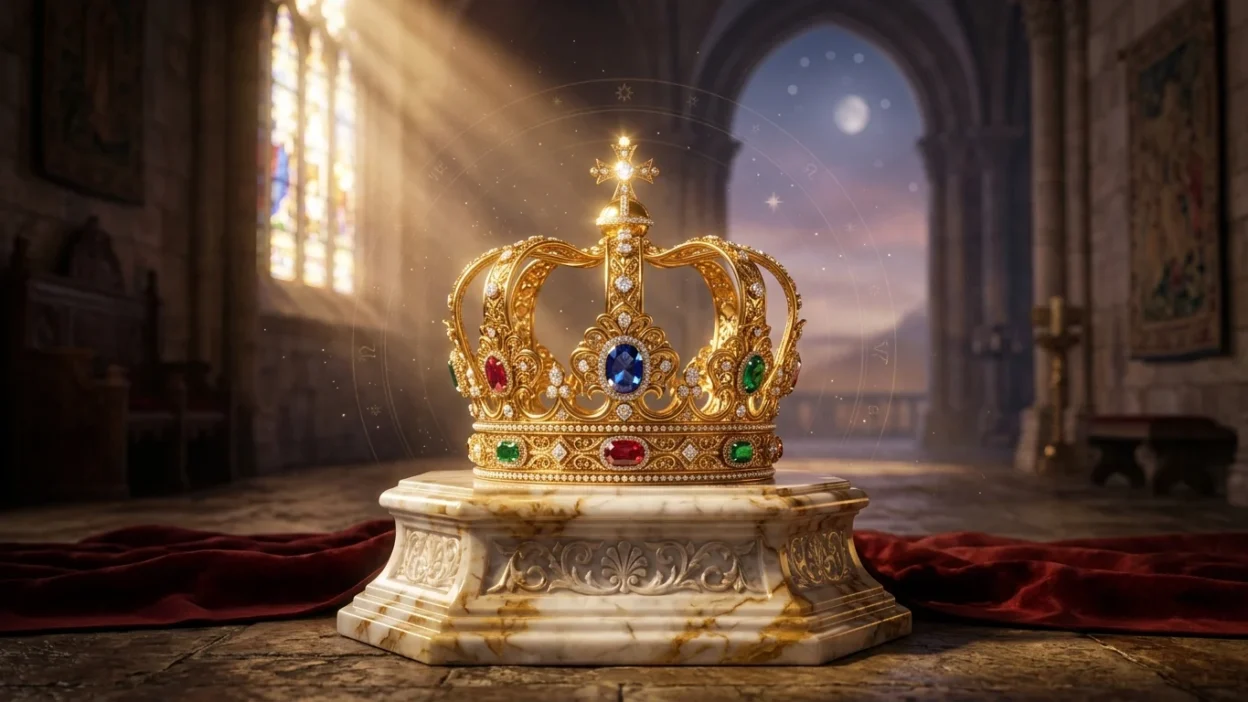
Crown symbolism has represented power, honor, victory, wisdom, and divine authority for centuries.
From ancient kings and queens to modern achievements, crowns are much more than decorative objects. They symbolize leadership, responsibility, success, and the rewards earned through perseverance
. Whether seen in history, religion, dreams, or art, crown symbolism reminds us of the value of character, purpose, and inner strength.
Crown Symbolism Meaning (Clear Definition)
Crown symbolism refers to the deeper meaning of a crown as a symbol of authority, honor, achievement, responsibility, and spiritual elevation. While crowns traditionally identify royalty, they also represent personal success, dignity, and the fulfillment of important goals.
A crown commonly symbolizes:
- Leadership and authority
- Victory and accomplishment
- Honor and respect
- Wisdom and responsibility
- Divine favor or spiritual power
- Nobility and excellence
- Confidence and self-worth
Rather than representing wealth alone, a crown often reminds us that true greatness comes from integrity, courage, and service.
Quick Symbolism Overview
| Symbol | Meaning |
|---|---|
| Leadership | Authority and guidance |
| Victory | Success after overcoming challenges |
| Honor | Respect and recognition |
| Wisdom | Mature judgment and knowledge |
| Responsibility | Duty that comes with power |
| Spiritual Authority | Divine blessing or enlightenment |
| Achievement | Reward for perseverance |
What Does Crown Symbolism Represent?
At its core, crown symbolism represents earned authority and the responsibilities that accompany it. Throughout history, crowns have identified rulers, but they have also symbolized moral excellence, justice, and the ability to lead others wisely.
The most common symbolic meanings include:
- Authority: A crown represents legitimate leadership and influence.
- Achievement: It reflects success earned through dedication and perseverance.
- Honor: Crowns recognize outstanding accomplishments and noble character.
- Responsibility: Leadership requires wisdom, fairness, and accountability.
- Confidence: Wearing a symbolic crown reflects self-respect and inner strength.
- Excellence: It encourages striving for one’s highest potential.
These meanings make crowns enduring symbols of both outward success and inner growth.
Spiritual Meaning of Crown Symbolism
Spiritually, crown symbolism represents enlightenment, divine connection, and the rewards of faithful living. Many spiritual traditions view the crown as a sign of higher consciousness and personal transformation.
Spiritually, a crown may symbolize:
- Spiritual awakening
- Divine protection
- Higher wisdom
- Inner peace
- Personal growth
- Faithfulness through life’s challenges
- Connection to higher purpose
The crown also reminds people to lead with compassion, humility, and integrity rather than pride. True spiritual greatness comes from serving others and remaining faithful to one’s values.
In many beliefs, receiving a symbolic crown signifies reaching a higher stage of wisdom and fulfillment.
Biblical / Religious Meaning of Crown Symbolism
In the Bible, crown symbolism often represents victory, righteousness, eternal life, and God’s reward for faithful believers. Rather than focusing only on earthly royalty, Scripture frequently describes crowns as symbols of spiritual honor.
Biblical symbolism includes:
- The Crown of Life, representing eternal reward for faithfulness.
- The Crown of Righteousness, symbolizing God’s promise to those who remain devoted.
- The Imperishable Crown, representing lasting spiritual victory.
- The Crown of Glory, associated with faithful leadership and service.
At the same time, the Crown of Thorns worn by Jesus symbolizes sacrifice, humility, suffering, and redemption, reminding believers that true kingship is rooted in love and selflessness.
Across many religious traditions, crowns signify divine authority, holiness, and spiritual responsibility.
Crown Symbolism in History and Culture
Throughout history, crowns have served as powerful symbols of monarchy, sovereignty, and national identity.
Ancient civilizations crafted elaborate crowns from gold, precious stones, feathers, or flowers to distinguish rulers and spiritual leaders. Beyond their beauty, these crowns represented legitimacy, wisdom, and the duty to govern justly.
Different cultures associate crowns with:
- Royal authority
- Victory in battle
- Divine blessing
- Social status
- Ceremonial leadership
- Cultural heritage
Even today, crowns remain central to coronations, pageants, graduations, and award ceremonies, symbolizing excellence and recognition.
Crown Symbolism in Literature and Art
In literature and art, crowns often represent ambition, destiny, sacrifice, and the burden of leadership.
Authors use crowns to explore themes such as:
- The responsibilities of power
- Justice and morality
- Personal ambition
- Noble character
- Triumph over adversity
- The cost of leadership
Artists frequently portray crowns as glowing or richly decorated to emphasize their connection to honor, wisdom, and divine favor. Sometimes a damaged or fallen crown symbolizes the loss of power or the consequences of pride.
Through these creative works, crown symbolism continues to inspire reflections on leadership and character.
Dream Meaning of Crown Symbolism
Dreaming about a crown often symbolizes achievement, recognition, confidence, or personal growth.
Common dream interpretations include:
- Wearing a crown: Success, self-confidence, or upcoming recognition.
- Receiving a crown: Reward for hard work or spiritual progress.
- Finding a crown: Discovering hidden talents or new opportunities.
- A broken crown: Concerns about leadership, reputation, or self-esteem.
- Losing a crown: Fear of failure or losing influence.
- A golden crown: Prosperity, wisdom, and lasting achievement.
These dreams often encourage embracing responsibility while remaining humble and true to one’s values.
Modern Meaning of Crown Symbolism
Today, crown symbolism extends beyond royalty into personal development, leadership, and achievement.
Modern meanings include:
- Personal empowerment
- Self-confidence
- Professional success
- Recognition of accomplishments
- Inspiring leadership
- Excellence and ambition
- Celebrating milestones
Crowns frequently appear in logos, fashion, sports, and social media as symbols of confidence and aspiration. They remind people to value both achievement and the character required to earn lasting respect.
In today’s world, a symbolic crown often represents becoming the best version of yourself while uplifting those around you.
Frequently Asked Questions
What does crown symbolism mean?
Crown symbolism represents leadership, honor, victory, responsibility, wisdom, and the rewards that come from dedication and integrity.
Is a crown a symbol of power?
Yes. A crown traditionally symbolizes authority and leadership, but it also represents the responsibility to lead fairly and wisely.
What is the spiritual meaning of a crown?
Spiritually, a crown symbolizes divine blessing, enlightenment, personal growth, faithfulness, and a higher sense of purpose.
What does dreaming about a crown mean?
A crown in a dream often reflects success, recognition, confidence, spiritual progress, or new responsibilities entering your life.
Why are crowns important in history?
Crowns have long represented royal authority, legitimacy, honor, cultural identity, and the responsibilities of leadership across civilizations.
Conclusion
Crown symbolism continues to inspire people because it represents far more than royalty or wealth. It reflects leadership, honor, wisdom, spiritual growth, responsibility, and lasting achievement.
Whether appearing in history, religion, dreams, literature, or everyday life, the crown reminds us that true greatness comes from integrity, humility, and perseverance.
By understanding its timeless symbolism, we recognize that the most meaningful crowns are earned through character, compassion, and the positive influence we have on others.

Rowan Blythecroft crafts atmospheric fiction filled with mystery and folklore.
Her stories often blur the line between reality and imagination.
She spends most of her days wandering forests and writing by candlelight.