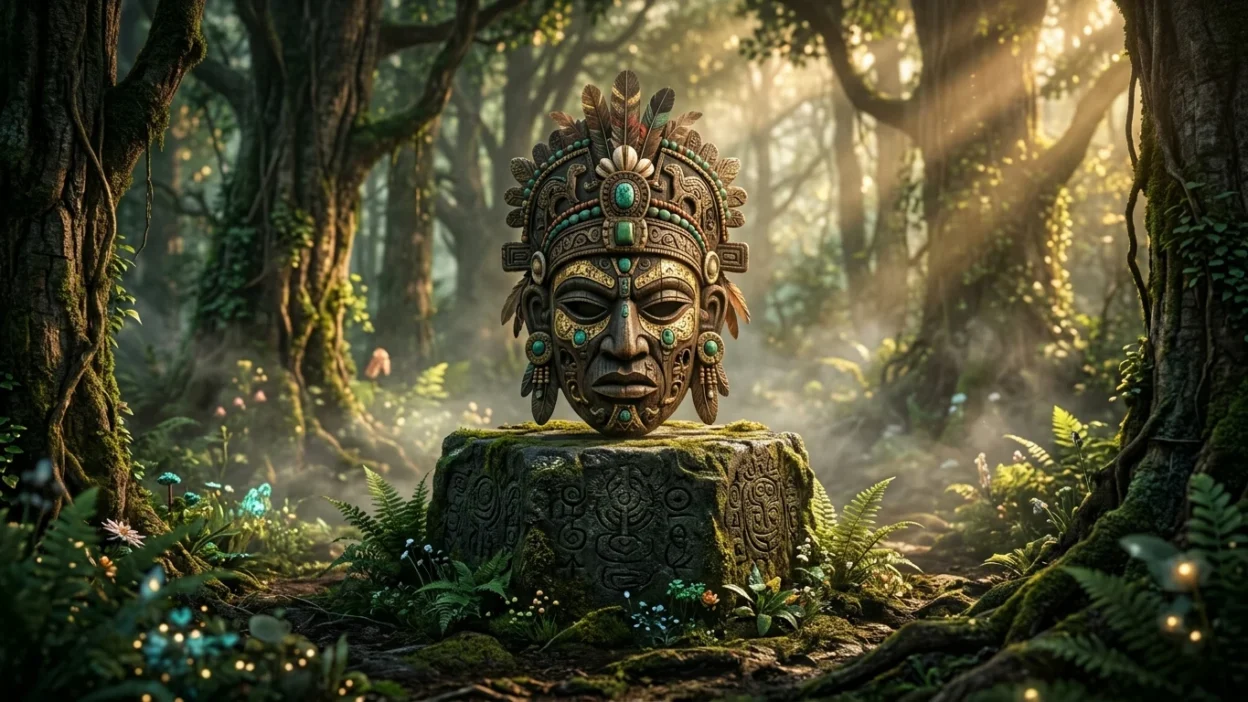
Mask symbolism reveals how a mask represents identity, concealment, and transformation, covering the face while revealing something deeper, including emotion, a personal role, and hidden truth, proving that what is visible is not always the complete story. From my experience studying symbols, masks continue to fascinate because they reveal the difference between appearance and reality.
Across many cultures and traditions, masks play important roles in rituals, performances, and ceremonies. They symbolize protection and personal expression, making them meaningful in psychology, art, religion, and dreams. Therefore, masks help people better understand both their outer appearance and inner character.
The dual nature of human identity reminds us that everyone presents different sides to the world. Some feelings remain hidden, while others are expressed through actions and creativity. As a result, the lasting symbolism of masks encourages self-awareness, honesty, and personal growth.
Mask Symbolism Meaning (Clear Definition)
Mask symbolism represents identity, concealment, transformation, and self-expression. Because a mask hides one face while presenting another, it symbolizes the balance between our public image and our inner self.
Furthermore, mask symbolism reminds us that understanding both visible and hidden aspects of our personality leads to greater wisdom and emotional growth.
Quick Symbolism Summary
| Mask Symbol | Meaning |
|---|---|
| White Mask | Purity, spiritual awareness |
| Black Mask | Mystery, hidden truth |
| Golden Mask | Wisdom, power |
| Broken Mask | Authenticity, transformation |
| Ritual Mask | Protection, spiritual connection |
| Theater Mask | Emotion, identity, expression |
What Does Mask Symbolism Represent?
Mask symbolism represents many important ideas found throughout history, psychology, and spirituality.
First, masks symbolize identity because they represent the different roles people play throughout life. Next, they symbolize concealment, reminding us that not every emotion is immediately visible. In addition, mask symbolism reflects transformation, showing that change often begins within.
Moreover, masks symbolize protection, self-expression, and hidden truth, encouraging people to understand themselves with honesty and compassion.
Key symbolic meanings include:
- Identity
- Concealment
- Transformation
- Protection
- Self-expression
- Hidden truth
- Personal growth
Spiritual Meaning of Mask Symbolism
Spiritually, mask symbolism represents the journey between the outer self and the inner soul. Many traditions believe masks help individuals connect with higher wisdom, spiritual guidance, and deeper self-awareness.
Furthermore, mask symbolism teaches that removing emotional masks allows genuine healing and personal transformation. Therefore, masks often symbolize awakening, authenticity, and spiritual growth.
Biblical / Religious Meaning of Mask Symbolism
Although masks are not a central biblical symbol, Scripture frequently encourages sincerity, humility, and honesty instead of hiding one’s true heart. In this sense, mask symbolism reminds believers to live with integrity rather than focusing only on outward appearances.
Additionally, many religious traditions use ceremonial masks during sacred rituals to represent spiritual roles, protection, and devotion. Therefore, mask symbolism reflects faith, truth, humility, and inner renewal.
Mask Symbolism in History and Culture
Throughout history, mask symbolism has appeared in festivals, religious ceremonies, tribal traditions, and theatrical performances across the world. Ancient civilizations often believed masks allowed people to communicate with ancestors, spirits, or divine beings.
Meanwhile, many cultures viewed masks as symbols of protection, identity, celebration, and transformation. Consequently, mask symbolism became closely associated with tradition, storytelling, and community values.
Mask Symbolism in Literature and Art
In literature and art, mask symbolism often represents hidden emotions, identity, deception, and personal discovery. Writers use masks to explore the difference between appearance and reality, while artists use them to express mystery, culture, and emotional depth.
Therefore, mask symbolism continues to inspire powerful storytelling and creative expression.
Dream Meaning of Mask Symbolism
Seeing a mask in a dream often carries meaningful emotional and spiritual messages.
For example, wearing a mask may symbolize hidden feelings or the desire to protect yourself emotionally. Meanwhile, removing a mask often represents honesty, self-acceptance, and personal growth.
If someone else wears a mask, it may suggest uncertainty or the need to understand hidden intentions. Therefore, dream interpretations of mask symbolism commonly focus on truth, identity, and emotional awareness.
Modern Meaning of Mask Symbolism
Today, mask symbolism represents authenticity, emotional intelligence, identity, and self-discovery. Many people recognize that everyone presents different versions of themselves depending on the situation.
At the same time, mask symbolism encourages honesty, confidence, and accepting both strengths and imperfections. As a result, it remains a timeless symbol of transformation, resilience, and personal growth.
FAQs
What does mask symbolism mean?
Mask symbolism represents identity, transformation, concealment, protection, hidden truth, and the journey toward self-awareness.
Why do masks symbolize identity?
Masks symbolize identity because they reflect both the roles people present publicly and the deeper qualities they keep private.
What is the spiritual meaning of a mask?
Spiritually, a mask symbolizes self-discovery, authenticity, transformation, higher awareness, and the balance between the outer and inner self.
What does dreaming about a mask mean?
Dreaming about a mask often symbolizes hidden emotions, personal identity, emotional protection, or the desire to reveal your true self.
Is a mask a positive symbol?
Yes. Although masks can represent concealment, they more often symbolize transformation, wisdom, protection, authenticity, and emotional growth.
Conclusion
Mask symbolism reminds us that every person has both a visible identity and a deeper inner self waiting to be understood. Rather than seeing a mask as a symbol of deception alone, it can represent transformation, self-awareness, protection, honesty, and personal growth.
By exploring both our hidden and visible qualities, we become more authentic, compassionate, and confident. Ultimately, mask symbolism encourages us to remove unnecessary fears, embrace our true identity, and live with courage and purpose.

Rowan Blythecroft crafts atmospheric fiction filled with mystery and folklore.
Her stories often blur the line between reality and imagination.
She spends most of her days wandering forests and writing by candlelight.