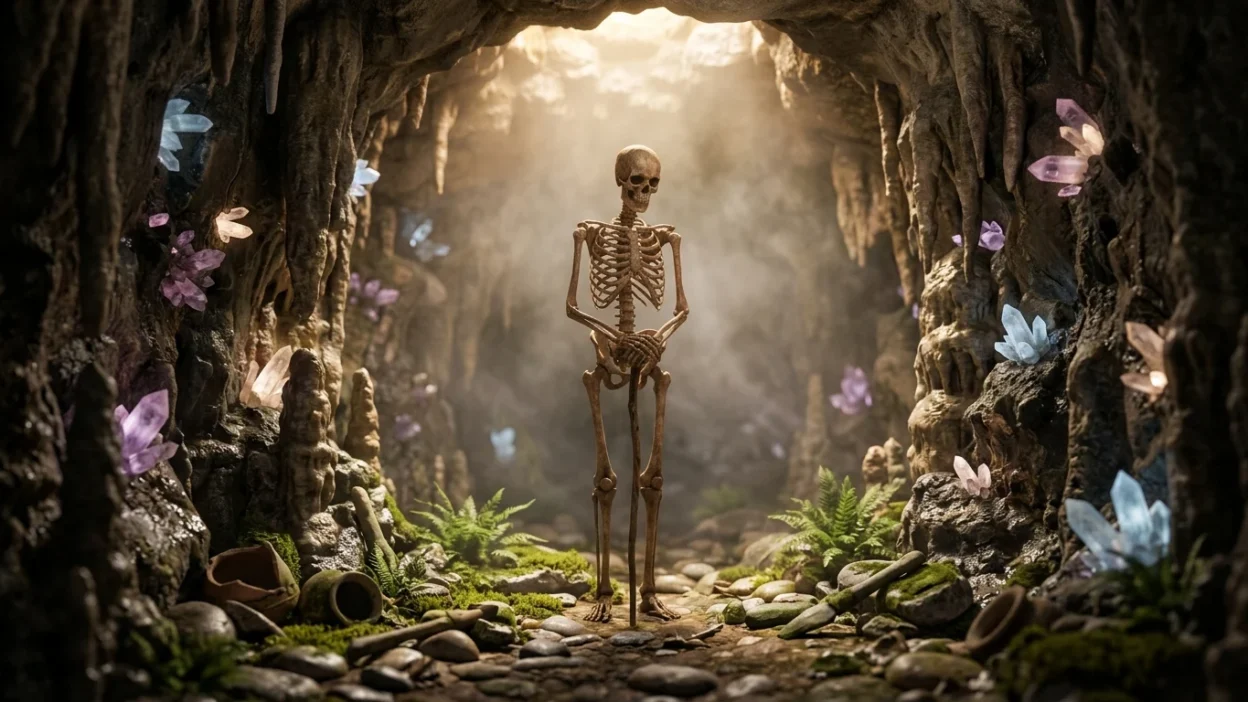
Skeleton symbolism has fascinated people for centuries because the human skeleton represents far more than bones beneath the skin. Across different cultures, religions, myths, history, and art, skeletons have symbolized mortality, transformation, endurance, wisdom, rebirth, and the eternal cycle of life. Although many people associate skeletons with death, their symbolism often carries a deeper message about renewal, resilience, and the foundation of human existence.
Throughout history, skeletons have appeared in spiritual traditions, religious teachings, literature, and dreams, reminding people that every ending creates space for a new beginning. They encourage us to appreciate life, embrace personal growth, and recognize the lasting strength hidden beneath outward appearances. Whether displayed in ancient rituals, cultural festivals, or artistic masterpieces, skeletons continue to represent truth, inner strength, and life’s natural progression.
Understanding skeleton symbolism helps explain why this powerful image continues to inspire reflection across generations. Rather than representing fear alone, skeletons invite us to discover inner wisdom, develop self-awareness, and appreciate the balance between life, death, and renewal. Ultimately, they remind us that true transformation often begins when we accept change with courage and hope.
Skeleton Symbolism Meaning (Clear Definition)
Skeleton symbolism represents mortality, endurance, renewal, and transformation. Because the skeleton forms the body’s lasting framework, it symbolizes inner strength, resilience, and the foundation upon which life is built.
Furthermore, skeleton symbolism reminds us that endings are often the beginning of new opportunities, wisdom, and personal growth.
Quick Symbolism Summary
| Skeleton Symbol | Meaning |
|---|---|
| Human Skeleton | Mortality, truth |
| Skull | Wisdom, awareness |
| Bones | Strength, foundation |
| Ancient Skeleton | History, legacy |
| Dancing Skeleton | Celebration of life |
| Complete Skeleton | Renewal, transformation |
What Does Skeleton Symbolism Represent?
Skeleton symbolism represents several timeless ideas that appear throughout history and spiritual traditions.
First, skeletons symbolize mortality, reminding us that life is precious. Next, they represent resilience because bones provide lasting support and strength. Additionally, skeleton symbolism reflects renewal, showing that growth often follows endings.
Moreover, skeletons symbolize wisdom, truth, and the courage to embrace life’s natural cycles.
Key symbolic meanings include:
- Mortality
- Transformation
- Renewal
- Inner strength
- Wisdom
- Endurance
- Personal growth
Spiritual Meaning of Skeleton Symbolism
Spiritually, skeleton symbolism represents the soul’s journey beyond physical appearance. Many traditions believe skeletons remind us that our true essence extends beyond the body.
Furthermore, skeleton symbolism encourages people to release fear, accept change, and trust life’s continuous cycle of transformation. Therefore, skeletons often symbolize spiritual awakening, resilience, and eternal wisdom.
Biblical / Religious Meaning of Skeleton Symbolism
In the Bible, bones often symbolize restoration, hope, and God’s power to bring new life. The vision of dry bones in the Book of Ezekiel illustrates renewal, faith, and divine restoration.
Additionally, skeleton symbolism reminds believers of human mortality while encouraging trust in God’s promises and everlasting hope.
Therefore, skeleton symbolism reflects faith, resurrection, humility, and spiritual renewal.
Skeleton Symbolism in History and Culture
Throughout history, skeleton symbolism has appeared in ceremonies, folklore, and cultural traditions around the world. Many civilizations viewed skeletons as reminders of life’s temporary nature and the importance of honoring ancestors.
Meanwhile, celebrations such as the Day of the Dead use skeleton imagery to celebrate remembrance, love, and the continuing connection between generations.
Consequently, skeleton symbolism has become a lasting symbol of remembrance, renewal, and respect for life’s journey.
Skeleton Symbolism in Literature and Art
In literature and art, skeleton symbolism often represents truth, mortality, hidden realities, and personal transformation. Writers use skeletons to explore life’s deeper questions, while artists portray them as symbols of both fragility and enduring strength.
Therefore, skeleton symbolism continues to inspire meaningful storytelling and artistic expression.
Dream Meaning of Skeleton Symbolism
Seeing a skeleton in a dream often carries important symbolic messages.
For example, a complete skeleton may symbolize wisdom, resilience, or personal transformation. Meanwhile, broken bones can represent emotional healing or areas of life that need attention.
If the skeleton appears peaceful, it may suggest acceptance and inner strength. Therefore, dream interpretations of skeleton symbolism often focus on renewal, awareness, and embracing life’s changes.
Modern Meaning of Skeleton Symbolism
Today, skeleton symbolism represents authenticity, resilience, and personal evolution. Many people see skeletons as reminders to focus on what truly matters rather than temporary appearances.
At the same time, skeleton symbolism encourages courage, honesty, and appreciation for every stage of life. As a result, it remains a timeless symbol of strength, wisdom, and transformation.
FAQs
What does skeleton symbolism mean?
Skeleton symbolism represents mortality, renewal, transformation, wisdom, resilience, and the lasting foundation of life.
Why do skeletons symbolize transformation?
Skeletons symbolize transformation because they remind us that endings often lead to new beginnings, growth, and renewal.
What is the spiritual meaning of a skeleton?
Spiritually, skeletons symbolize eternal wisdom, resilience, spiritual awakening, and the soul’s journey beyond physical life.
What does dreaming about a skeleton mean?
Dreaming about a skeleton often symbolizes personal growth, hidden truth, emotional healing, or important life changes.
Is a skeleton a positive symbol?
Yes. Although linked with mortality, skeletons are often positive symbols of resilience, wisdom, renewal, transformation, and enduring strength.
Conclusion
Skeleton symbolism reminds us that beneath every outward appearance lies lasting strength, wisdom, and the foundation of who we truly are.
Rather than representing fear alone, skeletons symbolize renewal, transformation, resilience, and life’s continuous cycle of change.
By embracing these powerful meanings, we gain greater self-awareness, appreciate each moment more deeply, and discover the courage to welcome every ending as the beginning of a meaningful new chapter filled with growth and hope.

Cedric Halewood is known for his intricate historical narratives.
His work reflects a deep fascination with lost civilizations.
He lives near the coast, where he finds inspiration in the sea.